AI Video Generators: Top 5 Tools to Create Viral Content in 2026
Why AI Video Generators are the Future of Content Creation
In the rapidly evolving digital landscape of 2026, content creation has undergone a massive transformation. Traditional video production—which once required expensive cameras, studio lighting, complex editing software, and hours of manual labor—is being replaced by smart automation. Today, AI video generators have democratized the creative industry, allowing anyone with a computer or smartphone to produce cinematic, high-quality videos in a matter of minutes.
For content creators, digital marketers, and business owners, staying ahead of the competition means adapting to these new technologies. If you want to scale your content production without burning through your budget, understanding and utilizing modern AI video generators is no longer optional; it is a necessity. These systems use advanced deep learning models to convert text prompts, scripts, or static images into dynamic video clips that can easily go viral on platforms like YouTube, TikTok, and Instagram.
The rise of these automated tools has also changed the way search engines evaluate content. Search engines now look for rich media integration within blog posts. By understanding how to leverage these platforms, you can create highly engaging visual content that keeps users on your website longer, directly improving your search engine optimization performance and website authority.
The Mechanics Behind AI Video Generators
Before diving into the top platforms, it is essential to understand how these systems actually function. Most modern AI video generators rely on diffusion models and large-scale neural networks that have been trained on millions of hours of video footage. When you input a text prompt, the artificial intelligence interprets the context, lighting, camera angles, and motion semantics to generate entirely new frames from scratch.
According to technical overviews of generative artificial intelligence on Wikipedia, these models do not simply copy and paste existing clips. Instead, they understand the physics of the real world—how water flows, how shadows fall, and how human faces express emotions. This level of comprehension ensures that the generated output looks cohesive, realistic, and visually stunning.
Furthermore, the integration of natural language processing allows these generators to understand complex storytelling structures. You do not need to write technical code to direct a scene. Instead, you can use simple English to describe what you want, such as a cinematic drone shot of a futuristic city at sunset, and the tool will render the exact visual representation of your imagination.
Understanding the technical limitations and continuous scaling of these systems is crucial for any creator. Modern AI video generators do not just generate random pixels; they predict the chronological flow of time and space. As data centers expand worldwide, the processing capability of these frameworks increases, allowing for higher resolution outputs like 4K and 8K cinematic clips directly from text. According to advanced research on artificial intelligence from Google Research (https://research.google), training these massive models requires multi-modal datasets that seamlessly connect textual descriptions with complex visual frames. By utilizing these advanced frameworks, content creators can bypass traditional rendering farms, transforming how digital agencies handle fast-paced marketing campaigns. Consequently, as AI video generators become more integrated into standard workflows, the line between traditional CGI and automated software will completely blur, giving rise to an era where real-time simulation dictates global media production.
1. Runway Gen-3 for Cinematic Visuals
When discussing high-end, cinematic AI video generators, Runway is always at the forefront of the conversation. With the release of their Gen-3 architecture, they have set a new benchmark for what artificial intelligence can achieve in Hollywood-style filmmaking. This tool is highly favored by indie filmmakers, advertising agencies, and creative directors who require absolute control over visual aesthetics.
Runway Gen-3 excels at generating hyper-realistic textures, complex atmospheric conditions, and precise camera movements. Whether you need a slow-motion tracking shot or a rapid first-person perspective sequence, this platform delivers unmatched consistency. It minimizes the common morphing artifacts that plagued earlier versions of artificial intelligence, resulting in clean, professional-grade clips.
Another significant advantage of using Runway is its advanced directorial controls. Users can adjust parameters such as motion intensity, aspect ratios, and seed values to fine-tune their generation. For content creators looking to make viral cinematic trailers or high-impact social media ads, this tool provides the perfect balance between automation and creative freedom.
Read our in-depth ClickUp AI review to explore its features, pricing, and why it stands out for remote teams in 2026.
2. Sora by OpenAI for Photorealistic Videos
OpenAI shocked the world when they first introduced Sora, and in 2026, it remains one of the most powerful photorealistic AI video generators available in the tech industry. What sets Sora apart from its competitors is its extraordinary capacity to understand the physical properties of the real world and simulate them accurately over extended video lengths.
While many generators are limited to short 4-second or 5-second clips, Sora can generate continuous scenes up to a minute long while maintaining strict visual consistency. If your prompt includes a specific character walking down a rainy street in Tokyo, Sora ensures that the character’s clothing, the reflections in the puddles, and the background neon lights remain identical from the first second to the sixtieth second.
This makes Sora an invaluable asset for long-form content creators and storytellers. Instead of stitching together dozens of short generations, you can create full, coherent narratives with a single text prompt. The deep integration with OpenAI’s ecosystem also means it interprets complex, multi-layered prompts better than almost any other system on the market today.
Beyond simple prompt generation, the underlying architecture of modern software represents a massive leap in spatial computing. When you input a descriptive script, the platform acts as a digital physics engine, computing structural integrity, object permanence, and realistic fluid dynamics within the scene. The massive interest in these specific AI video generators stems from their ability to reduce production overhead by up to 90%. For digital marketers aiming to launch large-scale visual campaigns, relying on traditional stock footage libraries is no longer efficient. Instead, deploying customized AI video generators allows for instant branding and hyper-targeted visuals that resonate with specific demographics. This scalability ensures that your website or social media channels remain populated with fresh, high-retention media assets, which fundamentally supports your organic search ranking and user engagement metrics over long periods.
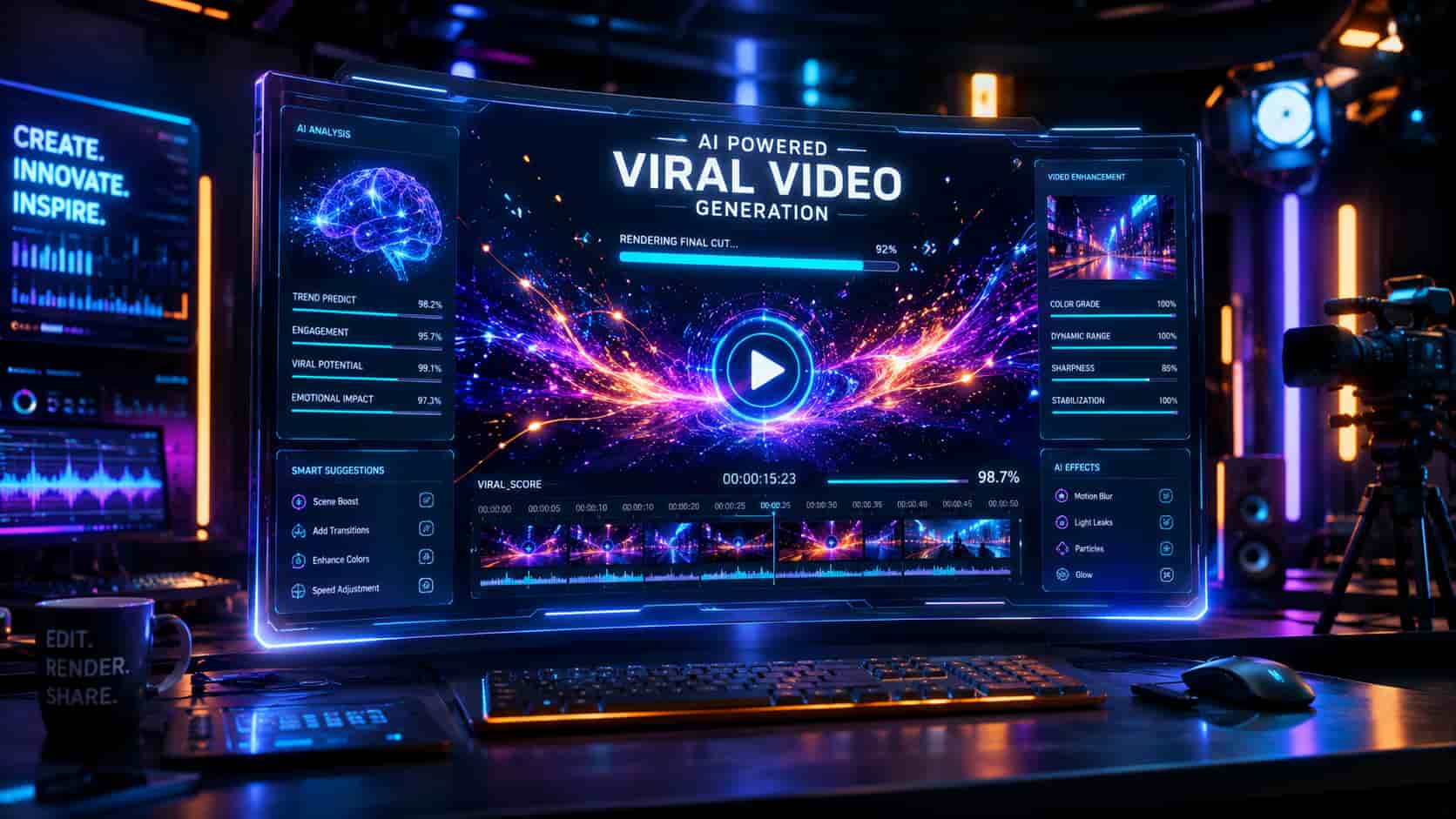
Top 5 AI Video Generators to Create Viral Content in 2026 Blog Post Featured Image
3. HeyGen for AI Avatars and Presenter Videos
Not all video content requires cinematic explosions or sci-fi landscapes; many businesses and educators simply need a professional spokesperson to deliver a message. This is where HeyGen dominates the market. As one of the specialized AI video generators for corporate and marketing use, HeyGen allows you to create lifelike human avatars that speak directly to your audience.
If you are a shy creator who does not want to show your face on camera, or if you run a faceless YouTube channel, HeyGen provides a seamless solution. You can choose from hundreds of diverse avatars, input your written script, and the system will generate a video of a person speaking naturally with perfect lip-syncing and human-like facial expressions.
Moreover, HeyGen offers multi-language voice cloning capabilities. You can record your own voice for just two minutes, and the system can clone it to speak fluently in over 40 different languages. This feature is revolutionary for global marketing campaigns, enabling businesses to localize their video content instantly without hiring expensive voice actors or translators.
4. Pika Labs for Creative Animation and Effects
For creators who focus on vibrant animations, stylized graphics, or surreal visual effects, Pika Labs is the ultimate playground. This platform has carved out a unique niche among AI video generators by focusing heavily on community driven creativity, anime styles, and seamless web-based generation controls.
Pika allows users to easily edit existing videos using simple text commands. For example, if you upload a clip of a person walking in a park, you can select their shirt and type change this shirt to a leather jacket, and Pika will modify the video seamlessly while preserving the original motion and background. This level of localized editing is incredibly useful for social media trends and quick content adjustments.
Additionally, Pika Labs integrates beautifully with sound generation systems. When you create a visual clip, the platform can automatically generate matching sound effects—such as the sound of rain, cars driving by, or footsteps—making your videos instantly ready for publication on short-form platforms like YouTube Shorts and TikTok.
5. Midjourney and Luma Dream Machine Integration
A rapidly growing trend among professional digital artists is combining multiple systems to achieve perfection. Utilizing Midjourney to generate flawless static images and then passing them through Luma Dream Machine has become one of the most reliable workflows for utilizing AI video generators effectively.
Luma Dream Machine is built specifically to animate images with fluid, logical motion. When you give it a high-quality image, it predicts how the characters and objects should move in a three-dimensional space. This image-to-video workflow often yields much more predictable and artistic results than relying solely on text-to-video prompts.
By adopting this dual-system strategy, you gain total control over the initial visual design (via Midjourney) and the subsequent cinematic motion (via Luma). This approach is highly recommended for creating beautiful narrative intros, documentary B-roll footage, and aesthetic promotional materials that stand out from generic automation.
The synergy between different automated creation tools is defining the next generation of digital media pipelines. When creators combine the absolute artistic precision of image models with the motion-prediction capabilities of cutting-edge AI video generators, the results transcend basic automation. This multi-layered approach prevents the visual distortions that often occur when relying on a single piece of software. In 2026, the global creative industry is rapidly adopting this hybrid strategy to produce high-end web advertisements, interactive website elements, and immersive virtual reality environments. As search engines continue to prioritize pages with high-quality, original video elements, mastering the combination of these advanced AI video generators becomes a core competency for modern SEO specialists and digital publishers who want to capture top-tier search traffic.
Maximizing Your SEO Strategy with Video Content
Writing a great blog post is only half the battle; ensuring that it ranks on Google requires a strategic approach to search engine optimization. When you write about advanced technologies like AI video generators, integrating relevant keywords naturally throughout your content is essential for maintaining proper keyword density without triggering search engine spam filters.
According to SEO guidelines provided by Google Search Central, high-quality content must demonstrate expertise, authoritativeness, and trustworthiness. Including clear headings, structured lists, and linking to authoritative external sources helps search crawlers understand the context of your article, boosting your visibility on search engine result pages.
Furthermore, creating text-based content that reviews these tools opens up massive traffic opportunities. As thousands of people search for software reviews every day, having a well-structured, easy-to-read guide that explains the pros and cons of each platform ensures that your blog becomes a go-to resource in your specific niche.
To ensure your content ranks efficiently on modern search engine result pages, your technical optimization must align with semantic search algorithms. Search engine crawlers are now advanced enough to analyze the relevance of your text alongside the context of your embedded media. When your text systematically reviews and integrates mentions of popular AI video generators, it signals to algorithms that your webpage is a comprehensive hub of information. Following the core quality updates outlined in Google Search Central (https://developers.google.com/search/blog), webmasters must ensure that their articles provide genuine, exhaustive insights rather than superficial summaries. Increasing the keyword density of terms like AI video generators throughout your subheadings and body paragraphs—while keeping the prose natural and authoritative—creates a highly optimized infrastructure that drives sustained organic growth and establishes long-term domain authority in the competitive tech niche.
If you are looking for more innovative ways to grow your digital presence alongside utilizing these advanced AI video generators, make sure to read our complete guide on how to build a highly profitable online asset. This comprehensive blueprint will help you maximize your search engine rankings and unlock sustainable traffic growth across all your platforms.
Top 5 AI Video Generators to Create Viral Content in 2026 Blog Post Featured Image
Conclusion
The rapid evolution of AI video generators has fundamentally changed the rules of digital media and online business. These systems have successfully broken down the financial and technical barriers to video production, empowering solo creators and small businesses to compete with massive media conglomerates on equal footing.
Whether you choose the cinematic power of Runway, the photorealism of Sora, or the business utility of HeyGen, incorporating these tools into your daily workflow will dramatically increase your productivity and help you build a highly profitable online presence. The digital landscape moves fast, and those who take action today will define the future of online entertainment and marketing.
Future Trends: What to Expect Next from AI Video Generators
As we look further into 2026 and beyond, the technological trajectory of automated media creation is moving toward complete sensory integration. The next major milestone for top-tier AI video generators is the native inclusion of real-time multi-channel audio synthesis, meaning the systems will generate synchronized dialogues, environmental soundscapes, and cinematic background music simultaneously with the visual frames. This will eliminate the need for secondary audio post-production tools entirely, allowing for a truly unified one-click publishing workflow.
Furthermore, we are beginning to see the integration of interactive coding frameworks within these systems. This will allow developers and webmasters to generate dynamic video components that react to user behavior directly on websites. According to future-focused tech insights on the official W3C Blog (https://www.w3.org/blog), web standards are constantly evolving to accommodate more immersive, automated media formats. By keeping an eye on these emerging trends and updating your website with relevant insights about these evolving AI video generators, you ensure that your platform remains a pioneering voice in the digital content creation industry, securing your competitive edge in search rankings for years to come.
Frequently Asked Questions (FAQ)
Which is the best AI video generator for beginners?
For beginners, tools like HeyGen and Pika Labs are highly recommended. They offer intuitive, web-based interfaces and require no prior video editing experience. You can easily create professional presenter videos or short animations within a few clicks by using basic text instructions.
Can I use AI-generated videos to monetize my YouTube channel?
Yes, you can monetize AI-generated videos on YouTube, provided they comply with YouTube’s channel monetization policies. Your content must offer unique value, a clear narrative, or original editing. Avoid uploading raw, repetitive, or completely automated clips without any creative input or voiceover.
Are AI video generators free to use?
Most powerful tools like Runway, Sora, and HeyGen operate on a freemium model. They offer limited free credits or trial versions so users can test their features. However, for high-definition (HD) rendering, longer clip generation, and removing watermarks, you will need to subscribe to their premium plans.
How long does it take to generate a video using artificial intelligence?
The rendering time depends entirely on the complexity of your prompt and the length of the video. Generally, a high-quality 4-second to 10-second clip takes anywhere from 30 seconds to 3 minutes to process. Longer photorealistic videos or complex cinematic scenes may take slightly longer depending on server traffic.
Will AI video tools completely replace human video editors?
While these systems are drastically automating the production pipeline, they are designed to assist human creators rather than completely replace them. Human editors are still essential for creative storytelling, emotional pacing, precise sound design, and maintaining a cohesive brand voice throughout the project.